Why Transparent PVC Film Is a Popular Choice for Flexible Packaging Solutions
Flexible packaging has become an essential part of modern product manufacturing and distribution. Businesses need packaging materials that protect products, maintain their appearance, simplify transportation, and support efficient production. As consumer expectations continue to evolve, manufacturers are paying greater attention to materials that combine functionality with attractive presentation.
Among the various plastic materials available, Transparent PVC Film remains a popular option for flexible packaging applications. Its combination of optical clarity, adaptable flexibility, moisture resistance, and processing versatility makes it suitable for many commercial uses. From retail packaging to protective product covers, this material offers practical features that meet different packaging requirements.
Understanding Transparent PVC Film in Flexible Packaging
Transparent PVC film is a plastic material manufactured from polyvinyl chloride, a thermoplastic polymer used in numerous industrial and commercial products.
It is available in different thicknesses, hardness levels, and surface finishes. Depending on its formulation, it can be produced as a soft, flexible film or a more rigid transparent sheet.
In packaging, its primary purpose is to provide a protective layer while allowing the contents to remain visible. This combination is particularly useful for products that benefit from clear presentation and convenient identification.
Manufacturers can also process PVC film through cutting, heat sealing, printing, lamination, and thermoforming to create packaging in different shapes and designs.
Key Reasons Behind the Popularity of Transparent PVC Film
Several material characteristics contribute to its continued use in flexible packaging.
1. Excellent Product Visibility
One of the main reasons businesses choose transparent PVC film is its ability to display packaged products clearly.
Unlike opaque packaging, transparent materials allow customers to inspect the product without opening the package. This is particularly valuable in retail environments, where appearance and product identification influence purchasing decisions.
It is commonly used for packaging:
- Toys and small accessories
- Stationery and office supplies
- Decorative products
- Household items
- Selected consumer goods
Clear packaging also helps retailers organize products and identify their contents more easily.
2. Flexibility for Different Packaging Designs
Packaging requirements vary depending on product size, shape, and weight. PVC film can be manufactured with different flexibility levels to accommodate a wide range of designs.
Soft grades can bend around products and create flexible protective covers, while semi-rigid grades can provide additional structure for formed packaging.
This versatility allows manufacturers to develop customized packaging without relying on a single material configuration.
3. Protection Against Moisture and Dust
Products can be exposed to humidity, dust, and surface contamination during storage, transportation, and retail handling.
PVC film offers useful resistance to moisture and helps protect products from common external contaminants when incorporated into an appropriately designed package.
The actual protection level depends on film thickness, formulation, and sealing quality. For products requiring strict oxygen or water-vapor barrier performance, specialized packaging materials or multilayer structures may be necessary.
4. Lightweight Packaging Structure
Packaging weight can affect transportation expenses, storage efficiency, and product handling.
Transparent PVC film is relatively lightweight compared with many rigid packaging alternatives. This makes it convenient for manufacturers and packaging companies that handle large product quantities.
Its lightweight structure also allows it to be incorporated into different packaging designs without adding substantial weight.
5. Compatibility with Multiple Processing Techniques
Manufacturing flexibility is another reason PVC film is widely used in commercial packaging.
Depending on its formulation, it can undergo several processing methods:
- Heat sealing: Creates enclosed packages and protective coverings.
- Thermoforming: Shapes the film into customized compartments and containers.
- Printing: Adds product information, labels, and decorative elements.
- Cutting: Produces specific dimensions for different products.
- Lamination: Combines the film with other materials for specialized packaging requirements.
These techniques help businesses develop packaging that matches their production processes and product specifications.
6. Cost-Effective Material Selection
Cost control is important for packaging manufacturers, retailers, and product suppliers.
PVC film can provide a practical balance between material performance, availability, and processing convenience. Different thicknesses and formulations allow businesses to select specifications that suit their budgets and application requirements.
However, the most economical option should be evaluated according to total packaging costs, including material usage, processing efficiency, and waste generation.
Common Flexible Packaging Applications
Transparent PVC film serves different purposes across several commercial sectors.
Retail Product Packaging
Retail businesses often use clear packaging to protect products while keeping them visible to customers.
PVC film can be incorporated into product covers, transparent packaging windows, and selected retail packaging structures.
This is particularly useful for products where visual presentation is an important part of the buying experience.
Blister Packaging
Blister packaging is a common method of protecting individual products within molded compartments.
PVC film can be thermoformed into specific shapes that hold products in place while allowing customers to see their contents.
This packaging format is used for various consumer goods, hardware accessories, and certain pharmaceutical products. Specialized applications require materials that meet relevant safety and regulatory standards.
Protective Covers and Sleeves
Transparent PVC film is also used to produce flexible covers and sleeves for products that need protection during storage or transportation.
These coverings help reduce exposure to dust, dirt, and everyday handling damage.
Depending on the material grade, they can also provide useful protection against moisture and surface contamination.
Stationery and Office Supplies
Office products such as folders, document covers, packaging sleeves, and storage accessories may incorporate transparent PVC materials.
The film’s visibility makes it convenient to identify documents and products without removing their protective covering.
Industrial Product Packaging
Manufacturers sometimes use PVC film to package small components, accessories, and finished goods.
Its adaptability allows packaging designs to accommodate different product dimensions while maintaining visibility.
Transparent PVC Film Compared with Other Flexible Packaging Materials
PVC is not the only material used in flexible packaging. Polyethylene, polypropylene, and PET also offer useful characteristics.
Understanding their differences can help businesses choose the right material.
| Material | Main Characteristics | Typical Packaging Uses |
|---|---|---|
| PVC Film | Flexible, clear, adaptable processing | Blister packaging, covers, retail packaging |
| PE Film | Lightweight, flexible, moisture-resistant | Wrapping, bags, protective packaging |
| PP Film | Good clarity and stiffness | Food packaging, labels, product wrapping |
| PET Film | Strong, clear, dimensionally stable | Packaging trays, protective layers |
PVC is often selected when flexibility and forming capabilities are important. PE may be more economical for general wrapping, PP offers useful stiffness, and PET is suitable for applications requiring greater tensile strength and dimensional stability.
The appropriate choice depends on the product, packaging design, and required performance.
How Transparent PVC Film Supports Packaging Efficiency
Packaging materials influence more than product appearance. They also affect manufacturing operations, inventory handling, and distribution.
Transparent PVC film can contribute to operational efficiency in several ways.
Simplified Product Identification
Clear packaging allows workers and retailers to identify products without opening containers or removing protective layers.
This can make product sorting, storage, and inventory management more convenient.
Customizable Packaging Dimensions
The availability of different film thicknesses and processing options allows manufacturers to create packaging suited to individual product sizes.
This can help reduce unnecessary packaging material and improve product presentation.
Convenient Storage and Handling
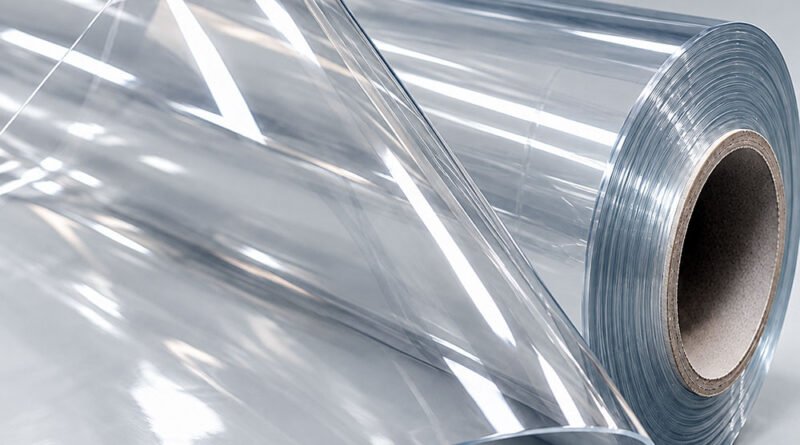
Film rolls and flexible packaging components are generally easier to handle and store than many bulky rigid alternatives.
Their relatively lightweight structure can also simplify movement within manufacturing facilities.
Consistent Packaging Production
When the correct material grade is selected and processing conditions are controlled, PVC film can support repeatable packaging operations.
Proper control of sealing temperature, pressure, and forming conditions helps maintain packaging consistency.
Factors to Consider When Choosing PVC Film for Flexible Packaging
Selecting an appropriate grade requires evaluating the specific demands of the packaging application.
Film Thickness
Thickness affects flexibility, mechanical strength, and resistance to physical damage. The correct specification should provide adequate protection without unnecessary material consumption.
Optical Clarity
For retail applications, transparency and surface quality are important. Businesses should inspect samples for haze, scratches, and visual inconsistencies.
Flexibility and Formability
The film should have suitable flexibility for its intended packaging design. Applications involving thermoforming or repeated bending may require particular material specifications.
Sealing Compatibility
For enclosed packaging, the selected film must work with the available sealing equipment. Manufacturers should test suitable temperature and pressure settings before starting large-scale production.
Product Safety Requirements
Packaging used for food, pharmaceuticals, and healthcare products may require specific certifications and material standards.
Businesses should confirm that the selected PVC formulation is approved for its intended use rather than assuming all grades have the same safety characteristics.
Environmental Considerations and Responsible Packaging
The environmental impact of packaging materials is an increasingly important concern for manufacturers and consumers.
PVC can be recycled through appropriate systems, but recycling availability depends on local infrastructure, material formulation, and contamination levels.
Businesses can improve their material management practices by:
- Using appropriate film thicknesses to reduce unnecessary consumption.
- Improving cutting and forming efficiency.
- Minimizing manufacturing waste.
- Reusing suitable protective materials where practical.
- Working with facilities that accept PVC for recycling.
- Following local waste disposal regulations.
Packaging decisions should consider durability, material efficiency, recycling options, and the complete product lifecycle.
Future Developments in Flexible PVC Packaging
The packaging industry continues to evolve as businesses seek materials with improved performance and more efficient manufacturing characteristics.
Developments in PVC film production include better thickness control, improved surface finishes, and formulations designed for specific environmental conditions.
Manufacturers are also exploring ways to reduce production waste and improve material recovery.
As packaging requirements become more specialized, the ability to customize transparency, flexibility, and processing characteristics will remain important when selecting plastic film materials.
Conclusion
Transparent PVC film continues to be a popular option for flexible packaging because of its optical clarity, adaptable flexibility, moisture resistance, lightweight structure, and manufacturing versatility.
Its use in retail packaging, blister packaging, protective covers, stationery, and industrial products demonstrates how one material can support a variety of commercial requirements.
However, choosing the right grade requires careful consideration of thickness, transparency, sealing compatibility, product safety, and environmental conditions.
By evaluating these factors, businesses can determine whether transparent PVC film is the right material for their packaging operations and achieve a practical balance between product protection, presentation, and production efficiency.