
Popular Gel Nail Polish Colors to Include in Your Wholesale Collection
Choosing the right color selection is an important part of managing a successful nail salon or beauty retail business. Customers have different preferences depending on their personal style, lifestyle, seasonal trends, and special occasions. A well-organized gel polish collection should offer enough variety to meet these needs without creating unnecessary inventory expenses.
For salon owners, distributors, and beauty retailers, investing in Wholesale Gel Nail Polish can make it easier to build a diverse product range and maintain sufficient stock of frequently requested shades. However, selecting the right colors requires understanding customer preferences and balancing timeless options with newer trends.
1. Classic Nude and Neutral Shades
Nude and neutral gel polishes are essential additions to almost any wholesale collection. These shades are suitable for everyday manicures, professional environments, weddings, and minimalist nail designs.
Popular options include beige, cream, soft brown, taupe, and milky white. Their versatility makes them useful throughout the year rather than being limited to a particular season.
Retailers and salon owners should consider stocking several variations because customers may prefer different undertones depending on their skin tone and personal style.
2. Soft Pink and Blush Tones
Pink remains a popular choice for customers who prefer feminine, understated, and elegant manicures.
A wholesale collection can include several shades, such as:
- Pale baby pink.
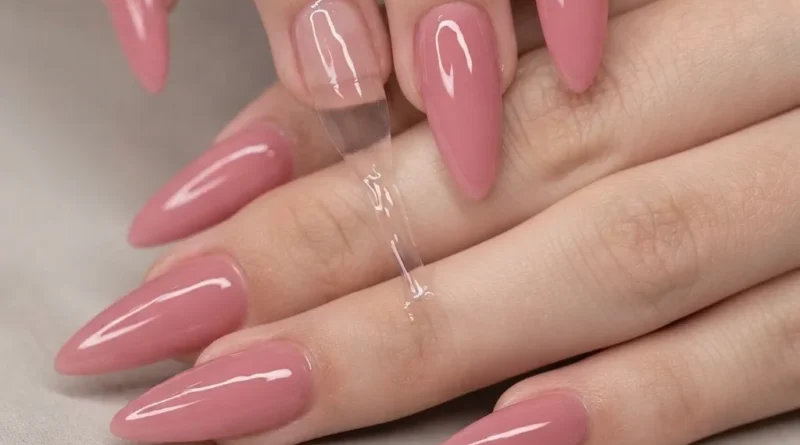
- Dusty rose.
- Blush pink.
- Peachy pink.
- Soft pastel pink.
- Rose pink.
These colors work well for everyday manicures, bridal appointments, and special events. Offering different intensities allows technicians to create both subtle and more noticeable looks.
3. Classic Red Shades
Red gel polish is a timeless option that continues to attract customers across different age groups and fashion preferences.
A balanced collection should include bright cherry red, deep crimson, burgundy, and darker wine-inspired shades.
Bright reds can be suitable for bold manicures and festive occasions, while deeper tones often appeal to customers looking for a sophisticated appearance.
Because red shades are versatile, maintaining a reasonable stock of popular variations can help salons meet regular customer demand.
4. White and Milky Gel Polish
White gel polish is another important product category because it is frequently used in classic nail designs and modern minimalist manicures.
Pure white works well for French tips and detailed nail art. Milky white and translucent white shades offer a softer appearance that customers may prefer for natural-looking manicures.
These products can also be used as part of layered designs, making them useful for technicians who offer customized nail services.
5. Pastel Colors for Soft and Seasonal Designs
Pastel shades are particularly useful for customers who enjoy light, refreshing nail colors.
Popular choices include lavender, mint green, baby blue, lemon yellow, and soft peach.
These colors are often associated with spring and summer collections, although many customers choose them throughout the year.
For wholesale buyers, offering several complementary pastel shades can make it easier to create coordinated color collections and seasonal displays.
6. Dark and Bold Colors
Not every customer prefers light or neutral manicures. Dark gel polish shades provide options for people who enjoy dramatic, modern, and sophisticated nail designs.
Consider including:
- Black.
- Navy blue.
- Deep purple.
- Chocolate brown.
- Forest green.
- Dark burgundy.
- Charcoal gray.
These shades can be especially useful during autumn and winter, but they also appeal to customers who prefer darker colors regardless of the season.
A varied selection helps salons avoid limiting their services to one particular style.
7. Glitter and Shimmer Finishes
Glitter and shimmer gel polishes add visual texture and brightness to nail designs. They are popular for parties, celebrations, weddings, and customers who prefer decorative manicures.
A wholesale collection can include fine glitter, chunky glitter, holographic effects, and subtle shimmer finishes.
Gold, silver, rose gold, and champagne are versatile options that can complement many base colors.
When selecting glitter products, evaluate how evenly the particles distribute during application and whether the finish remains smooth after curing.
8. Metallic and Chrome-Inspired Shades
Metallic gel polishes provide a reflective appearance that can create distinctive nail designs.
Common options include gold, silver, bronze, copper, and metallic rose gold. These shades can be used across full manicures or as accents in more detailed nail art.
Chrome-style finishes are also worth considering, although their application requirements may differ from those of standard gel polish. Buyers should check product instructions and compatibility with any required top coats or application systems.
9. Earthy and Nature-Inspired Colors
Earth-inspired shades have become useful additions to modern nail collections because they offer alternatives to traditional bright colors.
Popular choices include olive green, terracotta, warm beige, caramel, clay, and muted brown.
These colors can work particularly well for customers who prefer understated designs with a contemporary appearance.
For retailers, earthy shades can complement neutral and autumn-inspired collections, while salons can use them to create customized combinations.
10. Seasonal Colors to Keep Your Collection Updated
Seasonal collections provide an opportunity to introduce new shades and respond to changing customer interests.
Rather than replacing the entire inventory every season, businesses can add a smaller selection of relevant colors.
| Season | Suggested gel polish colors |
|---|---|
| Spring | Lavender, mint, peach, baby pink |
| Summer | Coral, turquoise, bright yellow, vibrant pink |
| Autumn | Terracotta, burgundy, chocolate, olive |
| Winter | Deep red, navy, emerald, silver |
Seasonal purchasing should be based on local customer preferences and previous sales performance. This helps reduce the risk of purchasing colors that may not sell as expected.
11. How to Choose the Right Color Mix for Your Wholesale Collection
Having a large color selection does not necessarily mean having an effective inventory. The goal is to offer a practical combination of frequently requested shades and distinctive options.
Before placing a wholesale order, consider the following factors:
Understand Your Target Customers
A salon serving professional customers may experience greater demand for neutral, classic, and understated shades. A younger or trend-focused customer base may show more interest in bright colors, glitter, and special effects.
Review customer requests and previous sales to identify the categories that deserve more inventory.
Balance Everyday and Trend-Based Colors
Everyday shades provide a reliable foundation for your collection, while seasonal and fashionable colors introduce variety.
Prioritize versatile shades before purchasing large quantities of specialty colors. This helps maintain a useful selection while keeping inventory costs under control.
Evaluate Product Quality
Color selection is only one part of the purchasing decision. Each shade should also provide consistent pigmentation, manageable application, and appropriate curing performance.
Request samples when possible and test different colors before placing a large order. Follow the manufacturer’s curing instructions and check product documentation.
Monitor Sales and Restock Strategically
Track which colors sell or get used most frequently. This information helps determine appropriate reorder quantities and prevents unnecessary stock accumulation.
Businesses can also introduce new shades in smaller quantities to evaluate customer interest before making larger purchases.
12. Common Mistakes to Avoid When Selecting Gel Polish Colors
Wholesale buyers sometimes focus too heavily on the number of available shades rather than the practical value of their collection.
Avoid these common mistakes:
- Purchasing too many similar shades with little difference in appearance.
- Ignoring neutral and classic colors in favor of temporary trends.
- Ordering seasonal colors without considering local demand.
- Failing to test pigmentation and application quality.
- Overlooking customer preferences and previous sales data.
- Investing heavily in specialty finishes before establishing demand.
A carefully selected collection is generally more useful than an oversized inventory containing many products that customers rarely request.
Conclusion
A successful wholesale gel polish collection should combine classic shades, versatile neutrals, soft pastels, bold colors, and specialty finishes. Each category serves different customer preferences and provides opportunities for salons and retailers to expand their offerings.
The most effective approach is to begin with reliable everyday colors, introduce additional shades based on customer demand, and update the collection gradually as preferences change. By balancing variety, product quality, and inventory planning, beauty businesses can build a practical gel nail polish selection that supports customer satisfaction and long-term growth.