
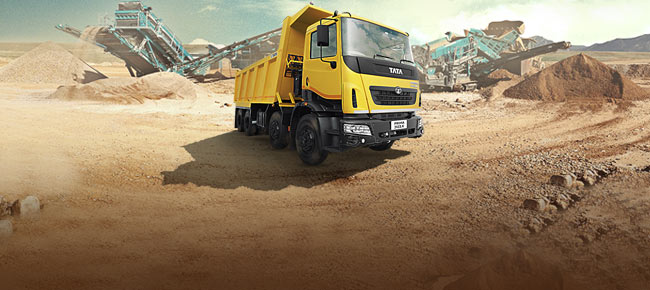
Everything You Need to Know Before Buying Tipper Trucks
Buying a tipper truck is a major investment for businesses involved in construction, mining, agriculture, waste management, and material transportation. Choosing the right vehicle can improve productivity, reduce operating costs, and ensure reliable performance across demanding work environments. Understanding the key factors before making a purchase will help you select a truck that meets both your current and future business needs.
Before comparing different models, it’s important to evaluate your operational requirements and the type of materials you transport regularly. Exploring available Tipper Trucks can help you understand the various options on the market and identify vehicles that match your workload. Taking the time to compare specifications and features will make it easier to choose a truck that delivers long-term value.
Understand Your Business Requirements
Every industry has unique transportation needs. A truck designed for moving sand and gravel may not be the ideal choice for transporting agricultural products or demolition waste.
Consider the following before making your decision:
- Average load weight
- Type of material being transported
- Daily travel distance
- Terrain and road conditions
- Frequency of use
Choosing a truck that aligns with your operations helps improve efficiency and reduce unnecessary expenses.
Check Load Capacity
Load capacity is one of the most important specifications when purchasing a tipper truck. Selecting a vehicle with insufficient capacity can increase the number of trips required, while choosing one that is significantly larger than necessary may increase fuel and maintenance costs.
Always ensure the truck complies with local weight regulations while meeting your business requirements.
Evaluate Engine Performance
A reliable engine is essential for demanding commercial applications. Look for an engine that provides sufficient horsepower and torque to handle heavy loads, steep gradients, and challenging road conditions.
The right engine should balance power with fuel efficiency to keep operating costs under control.
Consider Fuel Efficiency
Fuel expenses can have a significant impact on overall business profitability. Comparing fuel consumption across different models helps you estimate long-term operating costs.
Even small improvements in fuel efficiency can result in substantial savings over the lifespan of the truck.
Inspect the Tipping Mechanism
The hydraulic tipping system is one of the defining features of a tipper truck. Before purchasing, ensure the tipping mechanism is durable, reliable, and suitable for the materials you transport.
A high-quality hydraulic system improves unloading efficiency while reducing maintenance requirements.
Focus on Safety Features
Modern tipper trucks include advanced safety technologies designed to protect drivers and improve operational reliability.
Key safety features may include:
- Anti-lock Braking System (ABS)
- Electronic Stability Control
- Hill Start Assist
- Rear-view cameras
- Load stability systems
These features help reduce accident risks and improve driver confidence.
Review Maintenance and Service Support
Regular servicing is essential to keep commercial vehicles operating efficiently. Before purchasing, check the availability of spare parts and qualified service providers for the truck model you are considering.
Easy access to maintenance support can reduce downtime and extend the vehicle’s working life.
Calculate the Total Cost of Ownership
The purchase price is only part of the overall investment. To make an informed decision, consider the long-term costs associated with ownership, including:
- Fuel consumption
- Scheduled maintenance
- Repair costs
- Insurance
- Depreciation
- Resale value
Evaluating these expenses provides a clearer understanding of the truck’s long-term value.
Final Thoughts
Buying a tipper truck requires careful planning and thorough research. By considering factors such as load capacity, engine performance, fuel efficiency, safety features, maintenance requirements, and total ownership costs, businesses can make informed purchasing decisions. Investing in the right tipper truck helps improve productivity, supports reliable operations, and delivers lasting value for years to come.


