
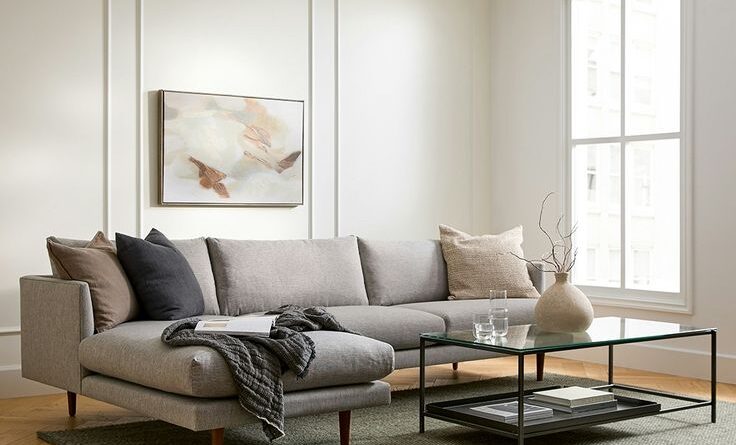
Common Materials Used by Leading Living Room Furniture Manufacturers
The quality and durability of living room furniture depend heavily on the materials used during production. Leading manufacturers carefully select materials that provide strength, comfort, and long-lasting performance while meeting modern design expectations. Understanding these materials helps buyers make informed purchasing decisions and better evaluate the value of different furniture collections.
When comparing suppliers, it is important to examine the materials they use alongside their manufacturing standards. Reviewing the products offered by a reputable living room furniture manufacturer can provide insight into material selection, craftsmanship, and overall product quality. Well-chosen materials contribute to furniture that remains attractive and functional for years.
Solid Wood
Solid wood is one of the most widely used materials in premium furniture manufacturing. It is valued for its strength, natural beauty, and long lifespan.
Common types of solid wood include:
- Oak
- Ash
- Walnut
- Maple
- Rubberwood
Solid wood provides excellent structural support and can be refinished over time, making it a popular choice for high-quality furniture.
Engineered Wood
Engineered wood is commonly used because it offers stability, affordability, and efficient use of natural resources. Modern manufacturing techniques allow engineered wood to deliver consistent performance while reducing the risk of warping or cracking.
Popular engineered wood materials include:
- MDF (Medium-Density Fiberboard)
- Plywood
- Particleboard
- Veneered panels
These materials are often used for cabinets, tables, shelves, and decorative furniture components.
Metal Components
Metal is frequently incorporated into modern living room furniture to improve structural strength and create contemporary designs. Steel and aluminum are among the most common choices due to their durability and resistance to everyday wear.
Metal is often used in:
- Table frames
- Sofa supports
- Chair legs
- Cabinet hardware
- Decorative accents
Its strength allows manufacturers to create sleek furniture designs without sacrificing stability.
Upholstery Fabrics
Fabric selection significantly influences both comfort and appearance. Leading manufacturers offer a variety of upholstery materials to suit different styles, budgets, and performance requirements.
Common upholstery fabrics include:
- Polyester
- Linen blends
- Cotton
- Velvet
- Performance fabrics
Many modern fabrics are designed to resist stains, fading, and everyday wear, making them suitable for busy households.
Genuine and Synthetic Leather
Leather remains a popular upholstery option for living room furniture because of its sophisticated appearance and durability.
Manufacturers may use:
- Genuine leather
- Top-grain leather
- Bonded leather
- High-quality synthetic leather
Each material offers different benefits in terms of appearance, maintenance, durability, and cost, allowing buyers to select options that fit their specific needs.
High-Density Foam
Comfort is a defining feature of quality living room furniture. High-density foam provides excellent support while maintaining its shape over extended periods of use.
Manufacturers often combine different foam densities to achieve the ideal balance between softness and structural support.
Glass
Tempered glass is commonly used in coffee tables, side tables, and entertainment units. Compared to standard glass, tempered glass offers greater strength and improved safety due to its manufacturing process.
Glass surfaces also create a modern appearance and complement a wide range of interior styles.
Natural and Engineered Stone
Some premium furniture collections incorporate stone surfaces to add elegance and durability. Popular materials include natural marble, engineered stone, and sintered stone.
These materials provide scratch resistance, heat resistance, and distinctive visual appeal, making them suitable for coffee tables and accent furniture.
Hardware and Fasteners
Small components play an important role in furniture performance. Leading manufacturers use high-quality hardware to ensure smooth operation and long-term durability.
Examples include:
- Soft-close hinges
- Drawer slides
- Connectors
- Fasteners
- Adjustable feet
Reliable hardware improves functionality while extending the lifespan of the furniture.
Eco-Friendly Materials
Sustainability has become increasingly important in furniture manufacturing. Many leading manufacturers now incorporate environmentally responsible materials and production practices.
These may include responsibly sourced wood, recycled materials, low-emission panels, and water-based finishes that reduce environmental impact while maintaining high product quality.
Conclusion
The materials used in living room furniture directly influence its durability, comfort, appearance, and overall value. Solid wood, engineered wood, metal, upholstery fabrics, leather, foam, glass, stone, and high-quality hardware all contribute to creating reliable and attractive furniture. By understanding these common materials, buyers can better evaluate manufacturers and choose furniture that offers long-lasting performance and meets their design and functional requirements.