
Sunsred Therapy Benefits for Skin, Pain Relief, and Recovery
Understanding Sunsred Therapy
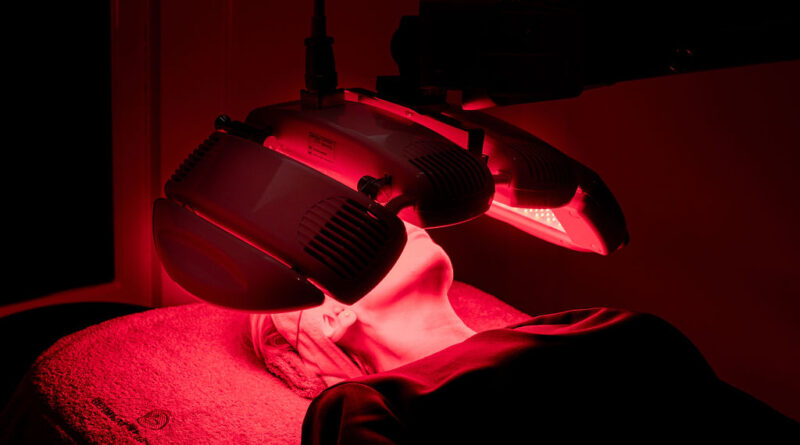
Sunsred therapy refers to a form of red and near-infrared light treatment designed to support natural biological processes in the body. It is based on the principles of photobiomodulation, where specific wavelengths of light interact with cells to potentially enhance energy production and support tissue function. Unlike invasive treatments or chemical-based solutions, this approach works externally by delivering controlled light exposure to the skin and deeper tissues.
The growing interest in this therapy comes from its wide range of potential wellness applications, including skin improvement, pain management, and physical recovery. Many users are turning to light-based therapy as a supportive tool for overall health maintenance, especially as modern lifestyles increase demand for non-invasive wellness solutions.
In the middle of this expanding industry, products and systems associated with Sunsred have gained attention for their structured approach to red light therapy technology, focusing on wavelength precision and consistent light delivery for wellness use.
How Sunsred Therapy Works at a Cellular Level
The core mechanism behind Sunsred therapy involves how cells respond to red and near-infrared light. Human cells contain mitochondria, which generate energy in the form of adenosine triphosphate (ATP). When exposed to specific light wavelengths, mitochondria may become more efficient in producing energy, which can support cellular repair and regeneration processes.
ATP = ADP + P_i + \text{energy (light stimulation)}}
This simplified equation reflects how energy cycles in cells may be influenced by light exposure. While research is ongoing, studies in photobiomodulation suggest that this process may help reduce oxidative stress and support natural healing mechanisms.
The wavelengths commonly used in Sunsred therapy fall within two main ranges: red light (around 630–660 nm) and near-infrared light (around 810–850 nm). Red light is typically absorbed by surface-level tissues, while near-infrared light can penetrate deeper into muscles, joints, and connective tissues. This dual-depth effect is one of the reasons the therapy is used for multiple wellness purposes.
Skin Health Benefits of Sunsred Therapy
One of the most popular applications of Sunsred therapy is skin health. Red light exposure is believed to stimulate collagen production, a key protein responsible for skin elasticity and firmness. Increased collagen activity may help reduce the appearance of fine lines, wrinkles, and uneven skin texture over time.
In addition to collagen support, light therapy may help improve blood circulation in the skin. Better circulation can enhance oxygen and nutrient delivery to skin cells, supporting a healthier and more radiant complexion. Some users also report improvements in acne-related inflammation, although results can vary depending on individual skin conditions.
Another potential benefit is reduced oxidative stress. Environmental factors such as pollution and UV exposure can damage skin cells, and light therapy may help counterbalance some of these effects by supporting cellular repair processes.
Pain Relief and Anti-Inflammatory Support
Sunsred therapy is also widely discussed for its potential role in pain relief and inflammation management. Near-infrared light, in particular, can penetrate deeper into tissues, making it suitable for muscles, joints, and connective tissue support.
One proposed mechanism is the reduction of inflammatory markers in the body. Chronic inflammation is often linked to pain conditions, and reducing inflammation may help alleviate discomfort in affected areas. This is why some individuals use red light therapy as part of their recovery routine for conditions such as joint stiffness, muscle soreness, or minor injuries.
Another factor is improved blood flow. Increased circulation may help deliver oxygen and nutrients more efficiently to damaged tissues, potentially supporting natural healing processes and reducing recovery time after physical strain.
Some users also report a warming or soothing effect during sessions, which may contribute to temporary pain relief and relaxation. However, it is important to note that responses can vary, and light therapy should be viewed as a supportive approach rather than a replacement for medical treatment.
Recovery Benefits for Fitness and Physical Performance
Athletes and active individuals are among the most common users of Sunsred therapy due to its potential recovery benefits. After intense physical activity, muscles undergo stress and micro-damage, which require time and resources to repair.
Light therapy may help support this recovery process by enhancing cellular energy production. Increased ATP availability can assist muscle cells in repairing themselves more efficiently, potentially reducing downtime between workouts.
Another possible benefit is reduced muscle fatigue. By supporting circulation and oxygen delivery, red light therapy may help clear metabolic byproducts that accumulate during exercise, such as lactic acid. This may contribute to a quicker return to peak performance levels.
Some athletes also incorporate light therapy into their pre-workout routines to help prepare muscles for physical activity, although most benefits are typically associated with post-exercise recovery.
Consistency and Proper Usage
For best results, Sunsred therapy is generally recommended as a consistent routine rather than a one-time treatment. Regular exposure over weeks or months is often needed to observe noticeable changes in skin appearance, pain levels, or recovery speed.
Session duration and distance from the device also play an important role. Following manufacturer guidelines is essential to ensure safe and effective use. Overuse does not necessarily enhance results and may reduce comfort or efficiency.
Conclusion
Sunsred therapy offers a non-invasive approach to supporting skin health, pain relief, and physical recovery through the principles of red and near-infrared light exposure. By interacting with cellular energy systems, it may help enhance natural biological processes that contribute to healing and overall wellness.
While research in this field is still developing, existing studies and user experiences suggest promising benefits when used consistently and correctly. As interest in light-based wellness continues to grow, Sunsred therapy remains a notable option for those seeking supportive, science-inspired approaches to health and recovery.