
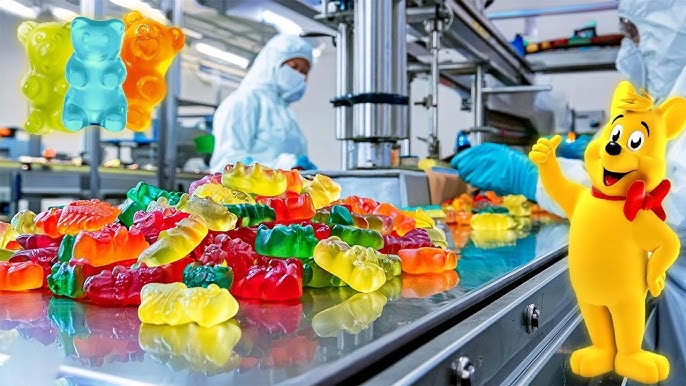
Cost Analysis of Investing in Gums and Jellies Manufacturing Equipment
Entering the confectionery industry requires careful planning and strategic investment, especially when it comes to setting up a production facility for gums and jellies. One of the most significant investments is in specialized manufacturing equipment, which directly impacts production efficiency, product quality, and long-term profitability. Conducting a detailed cost analysis before purchasing machinery can help businesses make informed decisions and optimize their budget.
Investing in advanced Gums and Jellies Manufacturing Equipment involves evaluating both upfront costs and ongoing expenses. These machines are designed to handle the entire production process, from mixing and cooking to molding, cooling, coating, and packaging. While the initial investment may appear high, the efficiency, durability, and automation features of these machines can provide substantial long-term returns by reducing labor costs, minimizing waste, and increasing production capacity.
Initial Investment Costs
The primary consideration in cost analysis is the purchase price of the machinery. High-quality gums and jellies manufacturing equipment can range from moderate to substantial amounts, depending on the scale, automation level, and capabilities. Factors influencing the cost include:
- Automation Level: Fully automated machines that manage multiple stages of production will generally cost more than semi-automatic or manual systems.
- Production Capacity: Larger machines capable of producing higher volumes typically require a higher investment but offer greater returns through increased output.
- Material and Build Quality: Equipment made from stainless steel and food-grade components may have higher upfront costs but ensures durability and compliance with hygiene standards.
- Brand and Warranty: Reputable manufacturers often provide reliable after-sales service and extended warranties, which can justify a higher initial investment.
Operating Costs
Beyond the initial purchase, operating costs play a significant role in the overall financial assessment. Key operating expenses include:
- Energy Consumption: Cooking, cooling, and packaging machines require electricity or other energy sources. Modern energy-efficient systems help reduce these costs.
- Labor Costs: Automation reduces the number of operators needed for production, but skilled personnel are still required for supervision, maintenance, and quality control.
- Maintenance and Repairs: Regular maintenance ensures consistent performance and prolongs equipment life. Factoring in the cost of spare parts, cleaning, and servicing is essential.
- Raw Materials Handling: Efficient equipment reduces raw material waste, but the cost of ingredients remains a crucial component of overall operating expenses.
Return on Investment (ROI)
Evaluating ROI is crucial when considering the purchase of gums and jellies manufacturing equipment. Automated machinery can significantly enhance productivity by increasing output and reducing production time. Faster and more consistent production allows manufacturers to meet market demand efficiently, leading to higher sales and profitability.
For example, a high-capacity automated system can produce several times more product per hour compared to manual production, which directly translates into revenue growth. Additionally, reduced labor requirements and minimized product defects lower operational costs, further improving ROI over time.
Cost-Benefit Considerations
When conducting a cost analysis, it is important to weigh both tangible and intangible benefits. Tangible benefits include higher production volume, reduced labor costs, and decreased material wastage. Intangible benefits include improved product consistency, enhanced hygiene, and the ability to diversify product offerings.
Investing in modern gums and jellies manufacturing equipment also enables manufacturers to innovate by producing different shapes, flavors, and coatings. This flexibility can open new market opportunities and attract a broader customer base, adding value beyond the immediate financial returns.
Financing and Budget Planning
Businesses considering this investment should explore financing options to manage upfront costs. Options may include bank loans, equipment leasing, or phased procurement. Budget planning should account for the total cost of ownership, including installation, staff training, initial raw materials, and ongoing operating expenses. Accurate budgeting ensures that the investment aligns with cash flow and long-term business goals.
Conclusion
Investing in gums and jellies manufacturing equipment is a significant but worthwhile decision for businesses seeking to enter or expand within the confectionery industry. A thorough cost analysis that considers initial purchase price, operating costs, ROI, and long-term benefits allows manufacturers to make informed decisions and maximize profitability.
By carefully evaluating machinery options, production capacity, and automation features, businesses can select equipment that not only meets their immediate production needs but also supports scalability, efficiency, and product innovation. With proper planning, the investment in high-quality gums and jellies manufacturing equipment can drive sustainable growth and a competitive advantage in the confectionery market.