
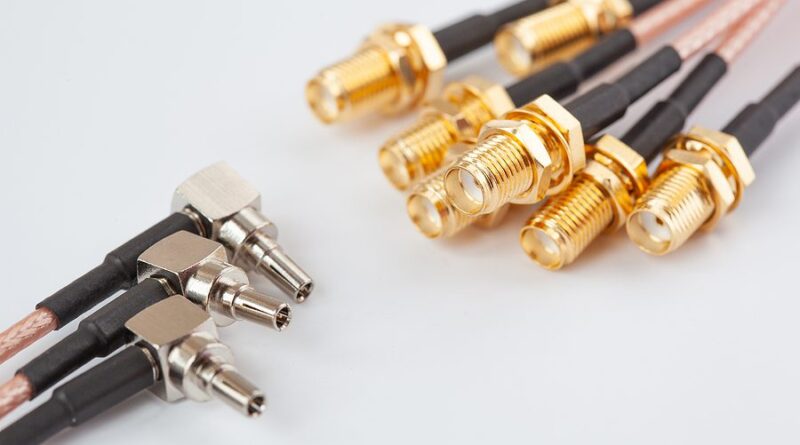
Materials and Durability of the Best RF Connectors
RF connectors are critical components in electronic systems that transmit high-frequency signals with minimal loss. These connectors are widely used in applications ranging from telecommunications and aerospace to defense, medical devices, and industrial electronics. The performance, reliability, and lifespan of an RF connector largely depend on the materials used in its construction and the durability of its design. Understanding these factors is essential for selecting the best RF connectors for demanding applications.
Key Materials Used in RF Connectors
The materials used in RF connectors are carefully selected to optimize electrical performance, mechanical strength, and environmental resistance. Conductive metals are the most critical components, as they carry the RF signal and must maintain low resistance and minimal signal loss. Copper and brass are commonly used due to their excellent conductivity and machinability. High-end connectors may use beryllium copper for added strength and resilience.
Plating materials further enhance connector performance. Gold plating is popular for its excellent corrosion resistance and stable conductivity, making it ideal for precision connectors that require minimal signal degradation over time. Nickel plating provides mechanical durability and corrosion protection, while silver plating offers low contact resistance, though it is more susceptible to tarnishing. Choosing a reliable supplier ensures access to high-quality components, and working with the Best RF Connectors guarantees that both materials and plating meet rigorous standards for performance and reliability.
Dielectric materials are equally important, providing insulation between the connector’s center conductor and outer shell. Polytetrafluoroethylene (PTFE) is commonly used for its excellent electrical properties, chemical resistance, and thermal stability. Other materials, such as ceramic or specialized polymers, may be used in high-frequency or high-power connectors to maintain signal integrity and withstand demanding environmental conditions.
Mechanical Design and Durability
Beyond materials, the mechanical design of an RF connector plays a crucial role in its durability. Connectors are subjected to repeated mating and unmating cycles, mechanical stress, vibration, and in some cases, exposure to harsh environmental conditions. Threaded connectors, such as SMA and TNC types, offer superior mechanical stability and maintain reliable connections under vibration or mechanical strain. Snap-on connectors, like SMB and MCX types, provide ease of use while balancing durability, particularly for applications requiring frequent connections.
The design of the connector also affects its resistance to environmental factors such as moisture, temperature extremes, and corrosion. Sealed connectors, weatherproof housings, and robust gaskets prevent ingress of dust, water, and other contaminants. High-durability connectors meet industry standards for outdoor, aerospace, and military applications, ensuring reliable performance over extended lifespans.
Factors Affecting RF Connector Longevity
Several factors influence the longevity of RF connectors. Mating cycles, environmental exposure, electrical load, and frequency range all contribute to connector wear over time. High-quality connectors are engineered to withstand thousands of mating cycles without significant degradation in electrical performance. Connectors designed for extreme temperatures or outdoor use incorporate materials and coatings that resist thermal expansion, corrosion, and UV damage.
Regular maintenance and proper handling also extend the life of RF connectors. Ensuring that connectors are clean, properly torqued, and not subjected to excessive mechanical stress prevents premature failure. Using connectors from a trusted supplier guarantees adherence to strict manufacturing tolerances and quality control measures, which directly impacts reliability.
Advanced Materials for High-Performance Applications
Innovations in materials have enabled RF connectors to meet the demands of modern high-frequency and high-power applications. Advanced alloys, composite materials, and specialized polymers improve thermal stability, electrical performance, and mechanical resilience. For example, connectors designed for microwave and millimeter-wave applications may use high-performance dielectrics and precision-machined metals to maintain low insertion loss and stable impedance at extremely high frequencies.
Plating innovations also contribute to enhanced durability. Corrosion-resistant gold alloys and advanced nickel-cobalt coatings protect connectors in harsh environments while maintaining excellent conductivity. These improvements allow RF connectors to perform reliably in aerospace, defense, and industrial systems where failure is not an option.
Selecting Durable RF Connectors
When selecting RF connectors, evaluating both materials and mechanical durability is essential. Consider the operating environment, frequency range, power requirements, and mating cycle expectations. Connectors with high-quality conductive metals, reliable plating, and resilient dielectric materials are better suited for long-term applications. Robust mechanical design, weatherproofing, and compliance with industry standards ensure that connectors maintain performance under stress.
Partnering with a reputable supplier that offers the Best RF Connectors provides additional assurance of quality, durability, and adherence to technical specifications. These connectors are engineered to meet rigorous standards, ensuring consistent electrical performance, mechanical stability, and long service life across a wide range of applications.
Conclusion
The materials and durability of RF connectors are fundamental to their performance and reliability. High-quality metals, advanced plating, and resilient dielectric materials ensure excellent electrical properties, while robust mechanical design enhances durability under repeated use and harsh environmental conditions. Advanced materials and coatings support high-frequency, high-power, and demanding applications.
By selecting connectors from the Best RF Connectors suppliers, businesses can ensure long-lasting performance, minimal signal loss, and reliable operation in critical electronic systems. Understanding the interplay between materials, design, and environmental resistance allows engineers to choose connectors that meet their application needs while providing durability and consistent performance over time.