
What to Look for in a Music Academy in Singapore: Courses, Teachers, and Learning Environment
Choosing the right music academy is a crucial decision for anyone looking to develop their musical skills, whether they are beginners or advanced students. A quality academy provides not only structured courses but also guidance, support, and an environment that nurtures creativity and growth. Understanding what to look for in a music academy can help students make an informed choice and ensure a rewarding learning experience.
When searching for a reputable Music Academy in Singapore, it is important to consider several key factors. These include the range and quality of courses offered, the qualifications and experience of instructors, and the overall learning environment. A good academy will offer programs tailored to different skill levels and musical interests, provide qualified and passionate teachers, and create a supportive and motivating atmosphere for students to thrive.
Courses and Curriculum
One of the first considerations when selecting a music academy is the range and structure of courses available. A well-rounded academy should offer instruction in various instruments, including piano, guitar, drums, violin, and voice. Courses should cater to different skill levels, from beginner to advanced, and provide a clear progression to help students develop their abilities systematically.
In addition to individual lessons, many music academies offer group classes, ensemble sessions, and performance workshops. These opportunities allow students to apply their skills in collaborative settings, build confidence, and experience the dynamics of performing with other musicians. The curriculum should also include music theory, sight-reading, and ear training, ensuring a comprehensive musical education.
Qualified and Experienced Teachers
The quality of instruction is one of the most important factors in a music academy. Instructors should be experienced, knowledgeable, and passionate about teaching. They must be able to adapt their teaching methods to suit the individual learning styles of students and provide constructive feedback to foster growth.
A music academy that invests in highly qualified teachers often maintains high standards of learning and performance. Many academies also encourage instructors to stay updated with the latest teaching techniques and musical trends, ensuring that students receive contemporary and effective instruction.
Learning Environment and Facilities
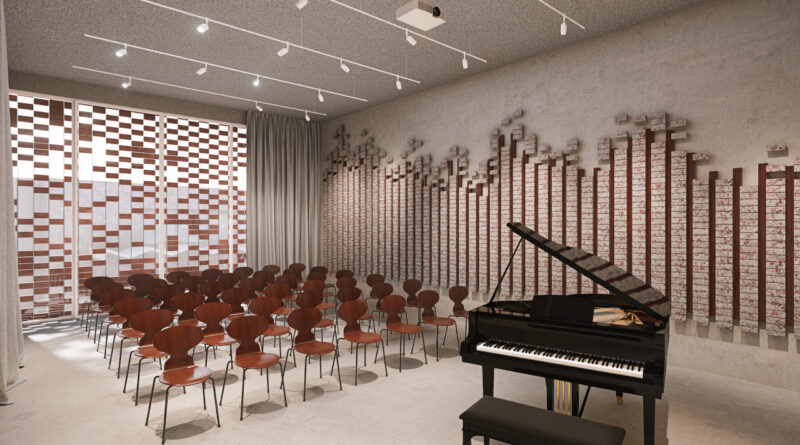
The learning environment plays a significant role in a student’s musical development. A supportive, positive, and inspiring atmosphere encourages creativity, focus, and consistent practice. Facilities should be well-equipped, including practice rooms, performance spaces, and access to quality instruments. Adequate acoustics and a quiet, organized setting help students concentrate and maximize their learning potential.
Group lessons, ensemble rehearsals, and recitals can enhance the educational experience by providing practical performance opportunities. A collaborative environment fosters teamwork, communication, and mutual encouragement, all of which contribute to a well-rounded musical education.
Flexibility and Student Support
Flexibility in scheduling and lesson formats is also important. Many students balance music lessons with school, work, or other commitments, so the ability to choose convenient times or online options can make learning more accessible. Some music academies provide personalized learning plans or goal-setting sessions to help students track progress and achieve milestones.
Supportive academies also offer guidance beyond technical instruction. Career advice, audition preparation, and opportunities to participate in competitions or community events help students apply their skills in real-world contexts and gain valuable experience.
Performance Opportunities
Practical performance experience is an essential component of music education. A quality music academy encourages students to participate in recitals, concerts, and ensemble performances. These experiences build confidence, improve stage presence, and allow students to showcase their progress.
Performance opportunities also provide constructive feedback from instructors and peers, helping students refine their technique, musical expression, and overall presentation. Over time, these experiences contribute to both personal growth and musical proficiency.
Reputation and Reviews
When choosing a music academy, it is helpful to research the academy’s reputation, reviews, and success stories. Testimonials from current and former students can provide insight into the quality of instruction, the learning environment, and the overall experience. Academies with a strong track record of student achievements and positive feedback are more likely to deliver consistent and high-quality education.
Visiting the academy in person, attending trial lessons, or speaking with instructors can also help gauge whether the academy aligns with the student’s goals and expectations.
Conclusion
Selecting the right Music Academy in Singapore involves careful consideration of courses, teachers, learning environment, and performance opportunities. A good academy provides a structured and comprehensive curriculum, qualified instructors, supportive facilities, and opportunities for practical application. By evaluating these factors, students and parents can make an informed choice, ensuring a fulfilling and effective musical education that fosters skill development, creativity, and a lifelong appreciation for music.